
Fire Safety Rules for Businesses Handling Specialized PET Films

Updated: Jan 11
Understanding Fire Safety Rules in Industrial Environments
Fire safety rules are designed to minimize the risk of fire outbreaks and to ensure that, if a fire does occur, it can be controlled and extinguished quickly. These rules encompass a wide range of practices, from the proper storage of flammable materials to the installation and maintenance of fire detection and suppression systems. In industrial environments where specialized PET films are handled, these rules take on added importance due to the combustible nature of some materials and the complexity of manufacturing processes.
For example, PET films, while generally stable, can pose fire hazards if exposed to high temperatures or open flames. Therefore, businesses must implement strict controls on heat sources, ensure adequate ventilation, and maintain clear access to fire exits and firefighting equipment. Regular training for employees on fire prevention and emergency response is also a vital part of compliance.
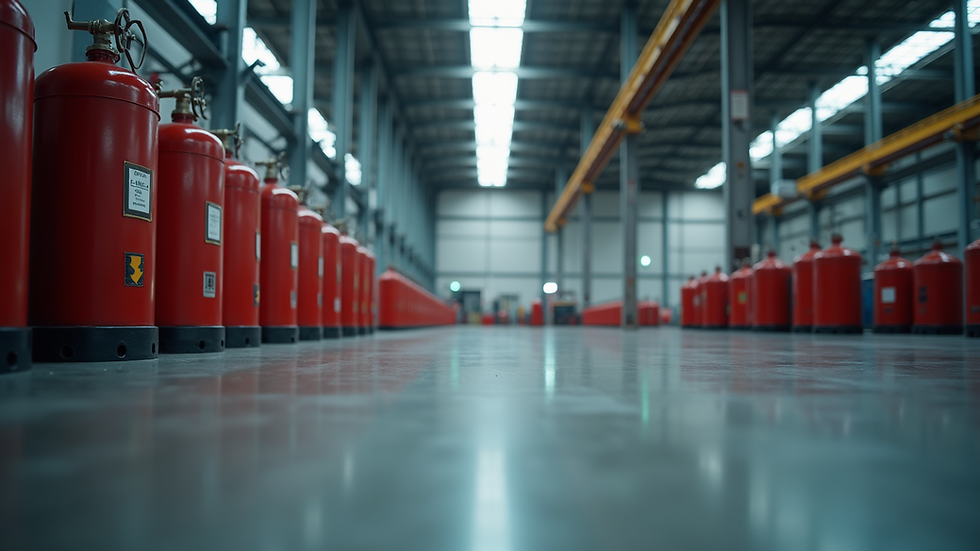
Key Fire Safety Rules Every Business Should Follow
To ensure compliance with fire safety rules, businesses must adopt a comprehensive approach that covers prevention, detection, and response. Some of the fundamental rules include:
Proper Storage of Materials: Flammable and combustible materials should be stored in designated areas away from ignition sources. This includes specialized PET films, which should be kept in cool, dry conditions.
Installation of Fire Detection Systems: Smoke detectors, heat sensors, and alarm systems must be installed and regularly tested to provide early warning of fire.
Access to Firefighting Equipment: Fire extinguishers, hoses, and sprinkler systems should be readily accessible and maintained in good working order.
Clear Evacuation Routes: Emergency exits must be clearly marked, unobstructed, and known to all employees.
Employee Training and Drills: Regular training sessions and fire drills help ensure that staff know how to prevent fires and respond effectively if one occurs.
Adhering to these rules not only protects the workforce but also helps businesses avoid costly fines and legal liabilities.
What are the Guidelines for Fire Safety?
The guidelines for fire safety provide a structured framework for businesses to follow in order to comply with legal and industry standards. These guidelines typically include:
Risk Assessment: Conducting a thorough evaluation of potential fire hazards specific to the industrial processes and materials used.
Fire Prevention Measures: Implementing controls such as eliminating ignition sources, controlling static electricity, and managing waste materials safely.
Fire Detection and Alarm Systems: Ensuring that detection systems are appropriate for the environment and are regularly maintained.
Firefighting Equipment: Selecting the correct type of extinguishers and suppression systems based on the types of fires likely to occur.
Emergency Planning: Developing and communicating clear evacuation plans and emergency procedures.
Training and Competency: Providing ongoing education to employees about fire risks and response actions.
For businesses dealing with specialized PET films, these guidelines must be tailored to address the specific fire risks associated with the materials and processes involved.
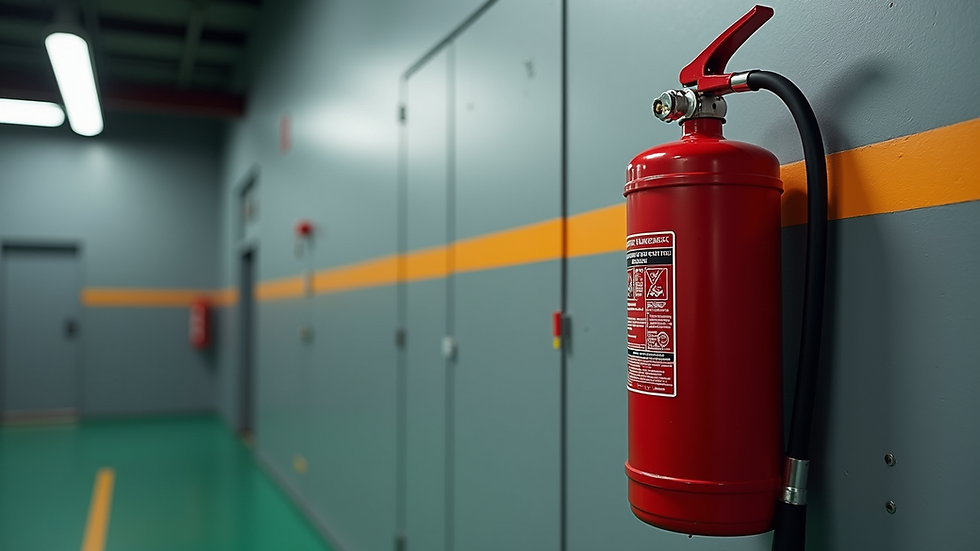
The Role of Fire Safety Regulations in Industrial Compliance
Compliance with fire safety regulations is mandatory and forms the backbone of any fire safety strategy. These regulations are established by governmental and industry bodies to ensure a minimum standard of safety is maintained. They cover everything from building design and construction materials to operational procedures and emergency preparedness.
One must recognize that fire safety regulations are not static; they evolve in response to new technologies, materials, and lessons learned from past incidents. Staying informed about updates and changes is crucial for businesses to remain compliant. For instance, the integration of advanced fire detection technologies and automated suppression systems can significantly enhance safety but may also require adjustments to existing protocols.
By aligning operational practices with current fire safety regulations, businesses not only protect their assets and personnel but also reinforce their reputation as responsible and reliable partners in the industrial supply chain.
Practical Steps to Enhance Fire Safety Compliance
Achieving and maintaining compliance with fire safety rules requires a proactive and systematic approach. Here are some practical steps that businesses can implement:
Conduct Regular Fire Risk Assessments: Schedule periodic reviews to identify new hazards and evaluate the effectiveness of existing controls.
Maintain Fire Safety Equipment: Establish a maintenance schedule for all fire detection and suppression systems to ensure they function correctly.
Implement Clear Signage and Markings: Use visible signs to indicate fire exits, equipment locations, and emergency instructions.
Develop a Fire Safety Culture: Encourage employees to take ownership of fire safety through training, communication, and involvement in safety committees.
Document and Review Procedures: Keep detailed records of fire safety policies, training sessions, and incident reports to facilitate continuous improvement.
Engage with Fire Safety Professionals: Consult experts for audits, training, and advice on best practices tailored to the specific industrial context.
These steps help create a resilient environment where fire risks are minimized, and responses are swift and effective.
Moving Forward with Fire Safety in Industrial Settings
Ensuring compliance with fire safety rules is an ongoing commitment that requires vigilance, education, and adaptation. For businesses specializing in PET films and other industrial materials, the stakes are particularly high. By integrating fire safety into every aspect of operations, companies can safeguard their workforce, protect valuable assets, and maintain uninterrupted production.
Moreover, embracing innovation in fire safety technology and practices aligns with the broader goal of advancing industrial safety standards globally. As a supplier committed to excellence, it is essential to not only meet but exceed fire safety expectations, thereby fostering trust and reliability among customers and partners worldwide.
In conclusion, fire safety is a critical pillar of industrial success. Through diligent adherence to fire safety rules and regulations, businesses can create safer workplaces and contribute to a more secure industrial landscape.
Additionally, it is crucial to recognize that the phrase specialized PET films plays a significant role in enhancing fire safety measures in industrial settings.


Comments